
Products
Virtual Power Purchase Agreement (vPPA)
A vPPA is a long-term contract-for-differences that helps organisations support new renewable generation and manage electricity price exposure—without taking physical delivery of power.
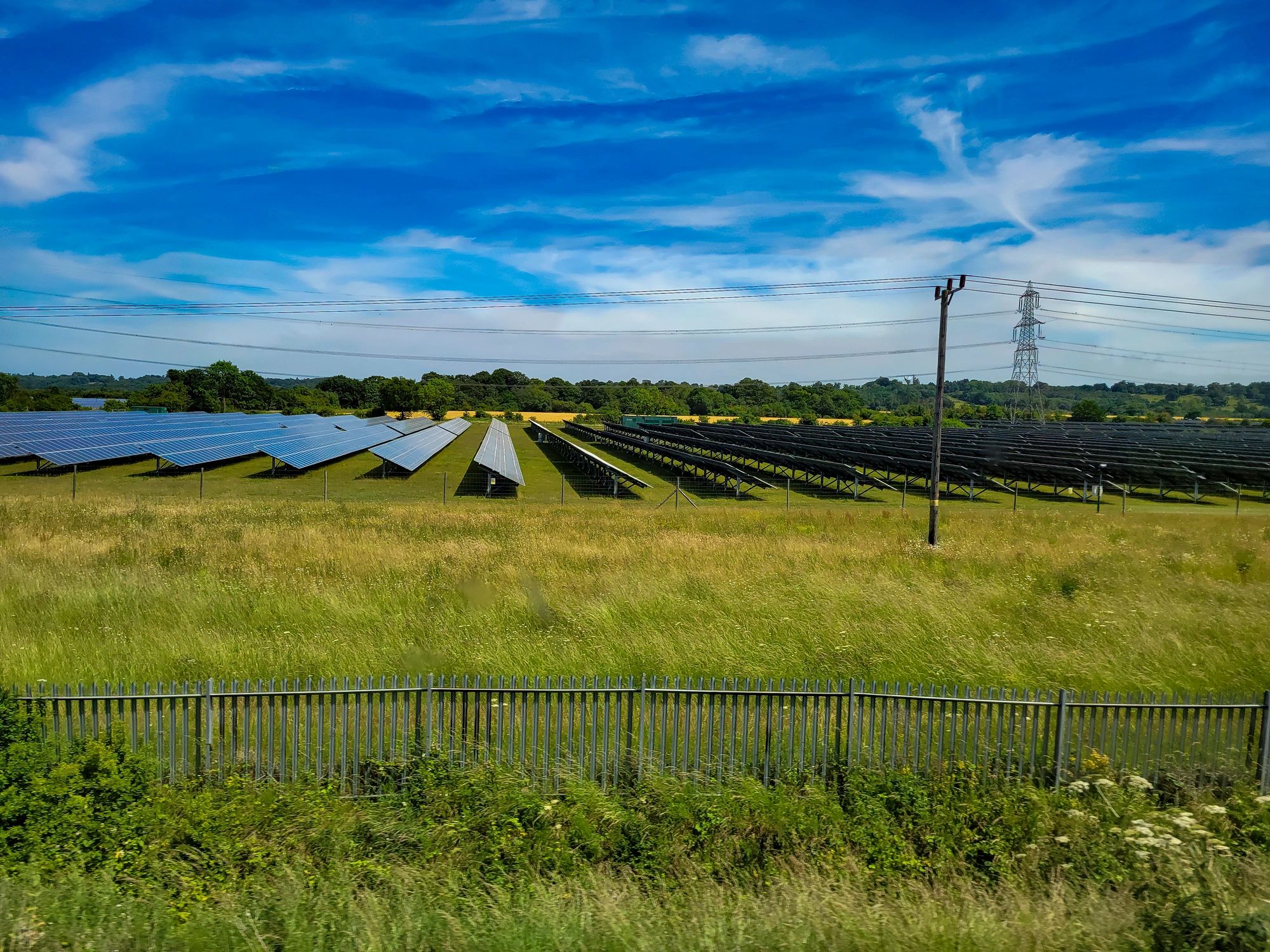
Overview
A virtual power purchase agreement (vPPA) is a financial agreement between an electricity buyer and a renewable energy project. The buyer agrees a fixed strike price for a defined volume of renewable generation.
The project sells electricity into the wholesale market, and the parties settle the difference between the market price and the strike price. In return, the buyer typically receives the associated renewable energy certificates/attributes (where applicable) to support credible renewable electricity claims.
How it works
Contract-for-differences (CfD) settlement
In a vPPA, the renewable project sells power to the grid at the floating market price. Separately, the buyer and project settle a financial swap against an agreed strike price for a contracted volume.
If the market price is below the strike price, the buyer pays the project the difference. If the market price is above the strike price, the project pays the buyer the difference. This structure can stabilise long-term pricing outcomes while enabling additional renewable capacity.

Benefits
Why organisations use vPPAs
vPPAs can support decarbonisation goals while providing a structured approach to long-term price exposure and renewable attribute procurement.
Credible decarbonisation
Access renewable attributes (where applicable) to substantiate renewable electricity claims and reporting.
Support new projects
Long-term offtake can improve project bankability and enable additional renewable capacity.
Price risk management
CfD settlement can hedge a portion of long-term power price exposure versus spot markets.
Geographic flexibility
Contract globally without needing physical delivery to your load (subject to market rules and attribute regimes).
Budget visibility
Defined contract terms and volumes support forward planning and governance.
Customisable structures
Shape, tenor, volume, and settlement points can be tailored to risk appetite and objectives.
Risks & considerations
Key risks to evaluate
A vPPA is not a one-size-fits-all instrument. Proper structuring, internal alignment, and ongoing management are essential.
Basis risk
Your load price may not correlate with the vPPA settlement price (node/hub/zone differences, retail vs wholesale).
Volume & shape risk
Generation profile may differ from contracted volume assumptions; curtailment and intermittency can affect outcomes.
Credit & collateral
Long tenors require credit support, collateral mechanics, and clear default provisions.
Accounting & reporting
Assess hedge accounting, mark-to-market impacts, and how attributes map to your ESG claims and disclosures.
Typical vPPA structures
Common structures include fixed-for-floating CfDs settled at a hub, zone, or node; pay-as-produced or baseload volumes; single-buyer or consortium arrangements; and tenors typically ranging from 7–15 years. Key negotiated terms often include settlement point, volume definition, curtailment treatment, renewable attribute delivery, credit support, change-in-law, and termination rights.