Products
Physical Power Purchase Agreement (PPA)
Secure long-term renewable electricity supply with a contract structure designed for physical delivery—supporting credible decarbonisation and improved cost visibility across global markets.
Overview
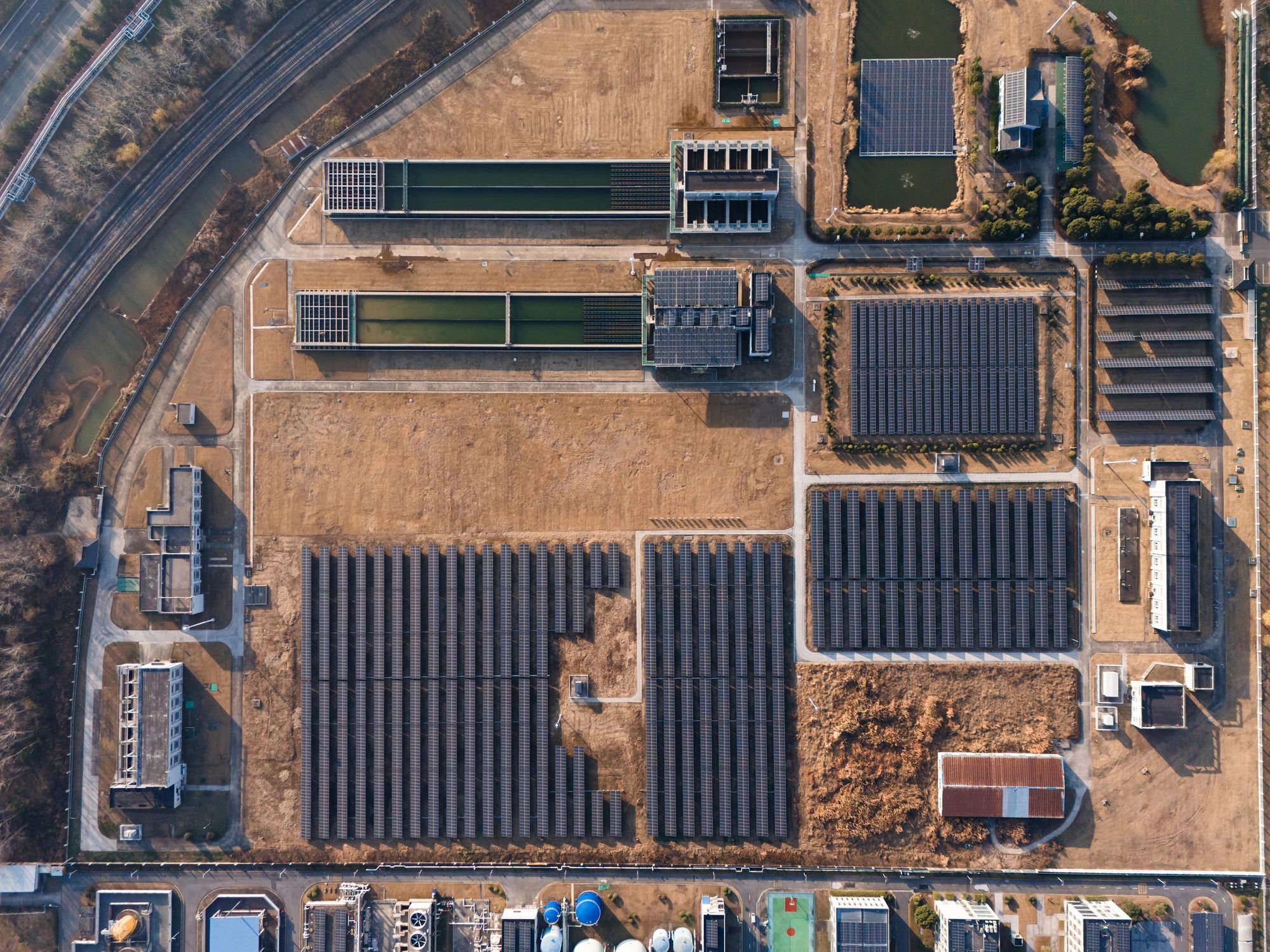
A physical PPA is a long-term agreement to purchase renewable electricity where energy is delivered to the buyer through the grid (directly or via a licensed retailer/utility, depending on the market).
Physical PPAs are commonly used by commercial and industrial buyers to lock in a renewable supply arrangement, manage exposure to electricity price volatility, and substantiate renewable electricity usage claims alongside the appropriate attributes (e.g., certificates) where applicable.
Contract fundamentals
Key terms buyers should understand
Physical PPAs vary by jurisdiction and market design. These are the terms that typically determine risk allocation, performance, and settlement outcomes.
Tenor and volume
Contract duration (often 5–15+ years) and the contracted volume (fixed, shaped, or as-produced). Volume design affects price certainty and balancing exposure.
Pricing and indexation
Fixed price, indexed price (e.g., inflation-linked), or hybrid structures. Pricing may include pass-through items such as network charges depending on delivery model.
Delivery point and scheduling
Defines where electricity is delivered (node/zone/retail meter) and how scheduling, nominations, and imbalance management are handled.
Attributes and claims
Clarifies treatment of renewable attributes (e.g., EACs/RECs/GOOs) and how they are transferred/retired to support credible reporting and claims.
Why it matters
Benefits of a physical PPA
Typical structures
Common physical PPA models
The right structure depends on market rules, your load shape, and how you prefer to manage volume and balancing risk.
Sleeved (retail) PPA
A generator sells into the market and a retailer/utility “sleeves” the renewable supply to your meter, handling retail billing and many operational obligations.
Direct (wholesale) physical PPA
A buyer contracts directly with a generator at a defined node/zone and manages (or outsources) scheduling, balancing, and settlement obligations.
Pay-as-produced vs shaped supply
Pay-as-produced follows generation output; shaped supply is structured to better match your consumption profile, typically with a premium for shaping/firming.
On-site or near-site supply
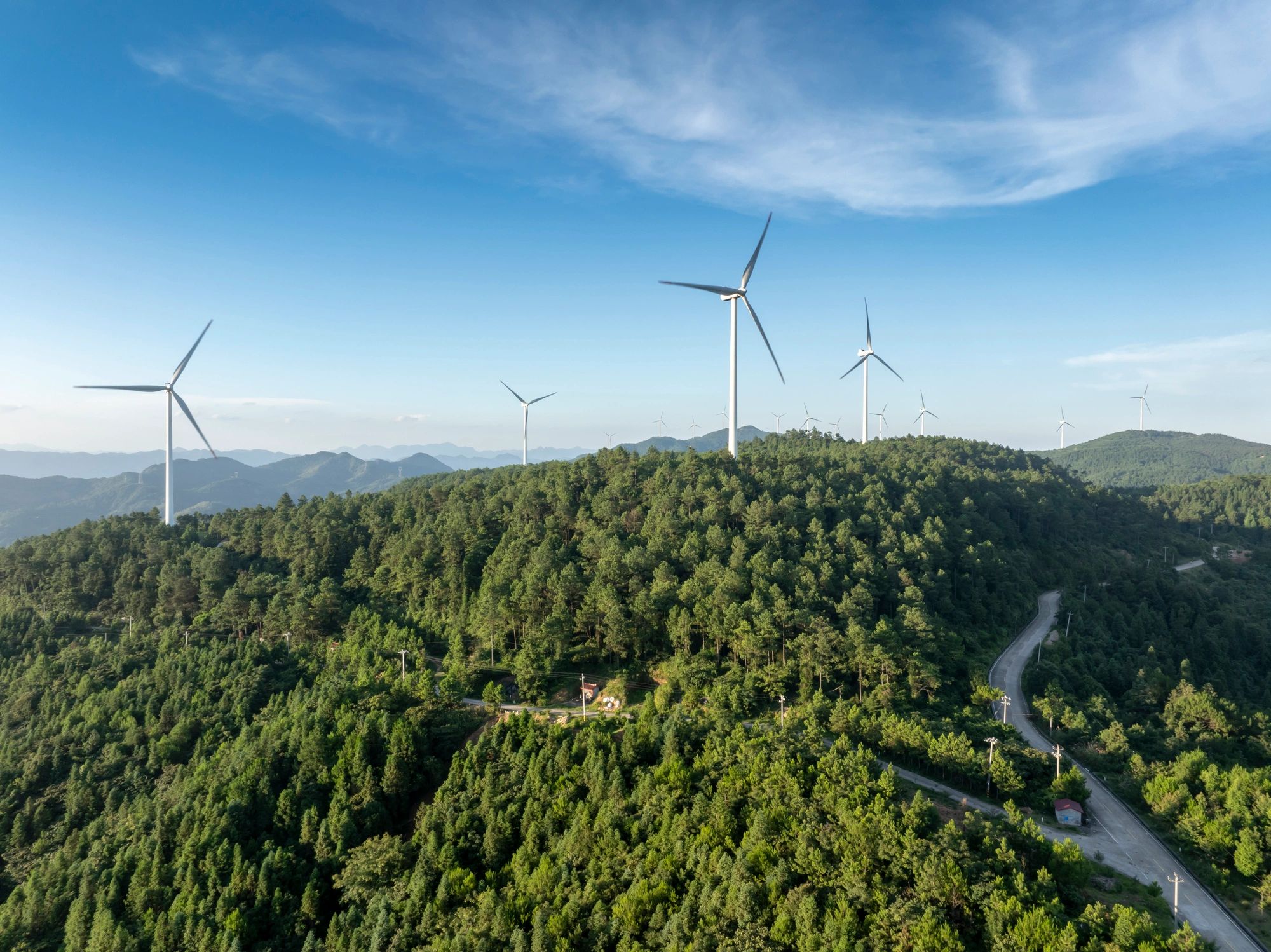
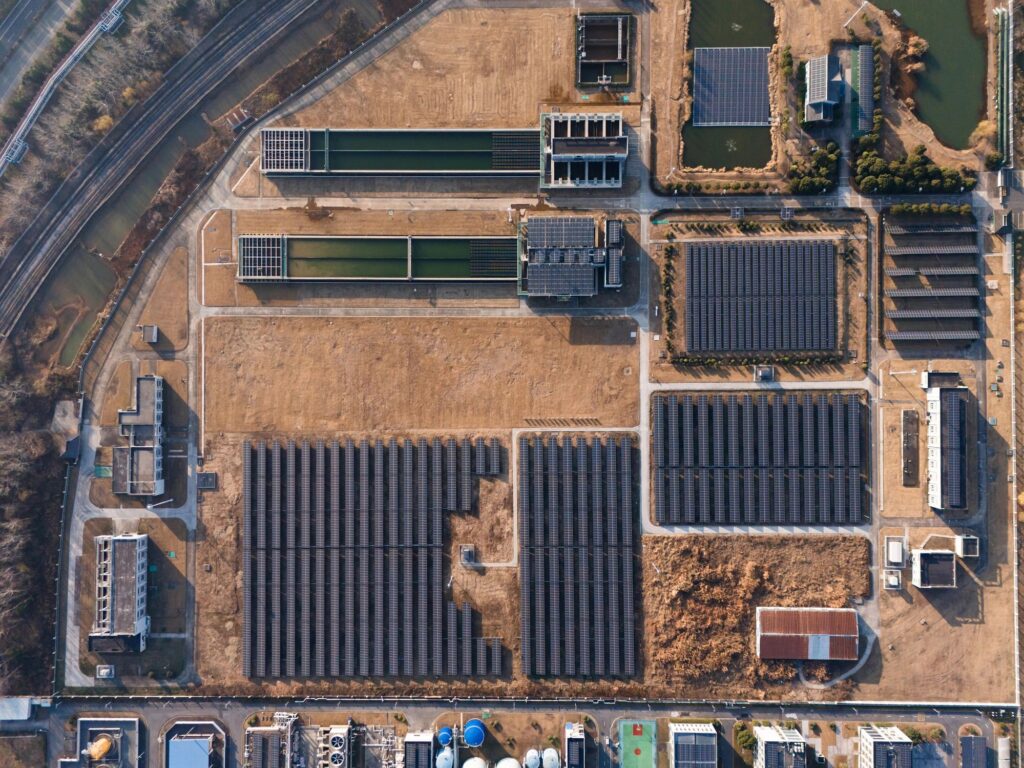
Renewable generation is located on or near your facilities (where feasible), reducing complexity and potentially improving traceability depending on the market.
How a physical PPA works
A practical, end-to-end view of the contracting and delivery journey—from feasibility to ongoing reporting.

Step 1
Feasibility and strategy
Confirm objectives (cost, claims, additionality), assess market options, and define the preferred structure (sleeved vs direct; pay-as-produced vs shaped).
Step 2
Sourcing and contracting
Run a structured sourcing process, evaluate offers, and negotiate key commercial and legal terms with the generator and any intermediaries.
Step 3
Delivery, settlement, and reporting
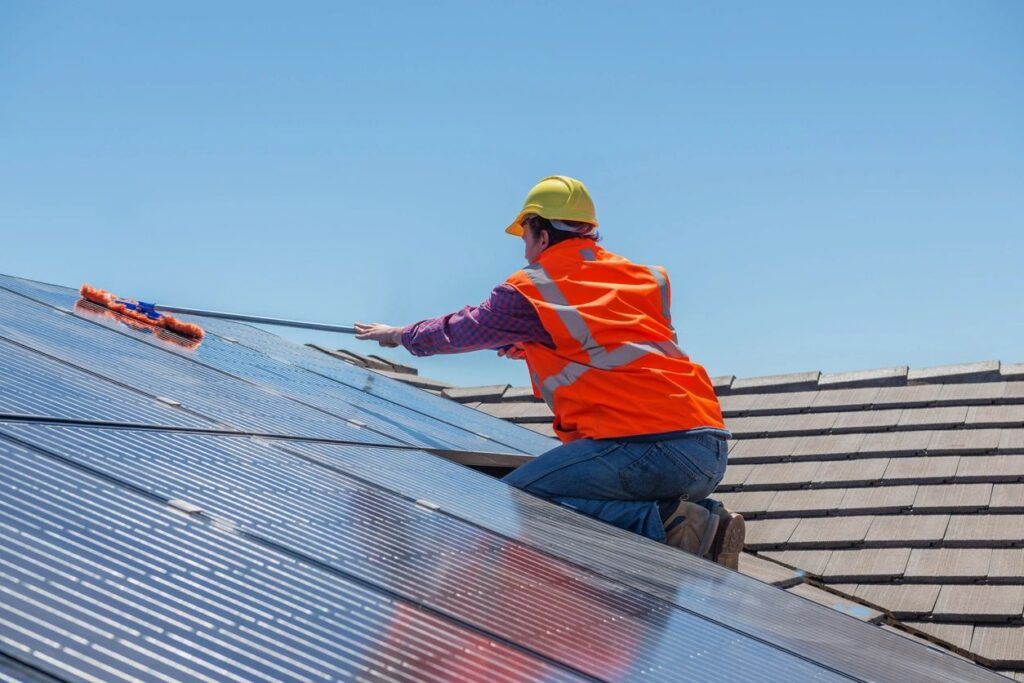
Manage delivery mechanics, track performance, and ensure attribute transfer/retirement and documentation supports your reporting requirements.